








Introduction to Spray Foam Causing Damp
In recent years, spray foam insulation has gained popularity among homeowners and builders alike for its thermal efficiency and ease of application. However, some installations can result in spray foam causing damp issues, raising concerns about its long-term effects on property health. Understanding how spray foam works, the potential problems it may introduce, and the necessary preventive measures is crucial for ensuring safe and effective insulation installation.
What is Spray Foam Insulation?
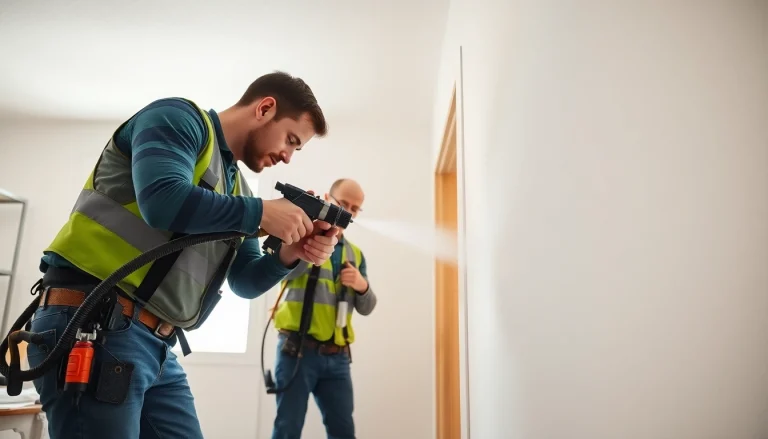
Spray foam insulation is a type of insulation made from a mixture of chemicals that, when applied, expand into a foam that hardens. It is prominently used in residential and commercial buildings for its excellent insulation properties, providing an air-tight seal that can significantly reduce energy costs. The two main types of spray foam are open-cell and closed-cell, each serving different applications depending on the specific thermal and moisture control requirements.
How Spray Foam Can Cause Damp
While spray foam insulation provides numerous benefits, improper application can inadvertently trap moisture within walls and ceilings. This condition can lead to damp problems due to several reasons:
- Sealing Moisture: Spray foam seals cracks and gaps, which can be beneficial for energy efficiency. However, if there is existing moisture or high humidity in the area, this trapped moisture may lead to mold growth and other damp-related issues.
- Imbalanced Humidity Levels: If the foam insulation inhibits the flow of vapor, it can create conditions where moisture accumulates, particularly in colder climates where condensation is prevalent.
Recognizing Symptoms of Damp
Detecting damp issues early can save homeowners from extensive repairs and health risks. Common signs of damp caused by spray foam insulation include:
- Peeling Paint or Wallpaper: This is often one of the first visible signs, indicating that the underlying materials are soaked and unable to bond properly.
- Musty Odors: A persistent earthy smell may signify dampness which can promote mold growth.
- Visible Water Stains: Dark patches on walls or ceilings are clear indicators of moisture issues that need to be addressed promptly.
Common Causes of Damp from Spray Foam
Poor Application Techniques
Effective insulation relies heavily on application techniques. Poorly applied spray foam, such as inadequate thickness or incorrect mixing of chemical components, can lead to gaps that allow moisture to seep in. Inexperienced contractors might rush the job, compromising quality and the integrity of the insulation. Ensuring that professionals are trained and follow best practices can mitigate these risks significantly.
Inadequate Ventilation
Ventilation plays a key role in moisture control inside buildings. Inadequate airflow can lead to humidity buildup, which becomes trapped behind the spray foam insulation. Homeowners must ensure that their homes have balanced ventilation systems that effectively circulate air, especially in crawl spaces, attics, and living spaces that utilize spray foam insulation.
Environmental Factors Contributing to Damp
Environmental factors such as high humidity, heavy rainfall, or flooding can naturally affect buildings, particularly those using spray foam. Local climate conditions can dictate moisture levels within the home. In regions prone to heavy rainfall or increased humidity, addressing these issues through proper building practices is vital to prevent damp becoming a problem.
Preventive Measures Against Damp
Best Installation Practices for Spray Foam
To reduce the risk of spray foam causing damp, adopting best installation practices is essential:
- Professional Installation: Engage a qualified contractor who understands the nuances of spray foam application, ensuring they adhere to manufacturer’s specifications and local building codes.
- Correct Thickness: Follow recommended application thickness to avoid unnecessary gaps or weak spots.
- Use Quality Materials: Opt for reputable brands of spray foam to ensure consistency and reliability in insulation performance.
Maintaining Proper Home Ventilation
Proper home ventilation systems, such as exhaust fans and air exchanges, help manage indoor air quality and moisture. Homeowners should regularly check and maintain these systems, ensuring they function correctly. Ventilation should be particularly strategic in moisture-prone areas, such as kitchens, bathrooms, and basements. Consider installing vents in areas where spray foam is applied to facilitate air movement and reduce humidity levels.
Periodic Inspection for Damp Signs
Regularly inspecting your property for signs of damp can prevent minor issues from becoming major repairs. Homeowners are encouraged to check:
- For any discoloration in walls and ceilings.
- Visible mold growth, particularly in dark, undisturbed areas.
- Unusual odors that may indicate trapped moisture.
Solutions for Existing Damp Issues
Identifying and Repairing Damp Areas
Once damp issues become apparent, it’s crucial to identify the source. Specific repairs may include:
- Identifying and sealing leaks from roofing, plumbing, and cladding.
- Addressing grading or drainage issues around the home to steer water away from foundations.
- Repairing compromised sections of the spray foam itself, as this can allow moisture ingress.
Effective Techniques to Dry Out Damp Walls
After identifying damp areas, taking steps to dry them out is essential. Some techniques to consider include:
- Dehumidifiers: Use these devices to reduce indoor humidity levels, especially in affected areas.
- Heating: Warm air can help evaporate moisture, so using heating systems can assist in drying wet walls.
- Fans and Air Circulation: Positioning fans to create airflow can enhance drying times for damp surfaces.
Seeking Professional Help When Necessary
If damp presents a significant issue, or if moisture levels persist despite homeowner remediation efforts, contacting moisture control professionals is essential. They can conduct comprehensive assessments and implement remediation strategies that adhere to safety standards.
Frequently Asked Questions about Spray Foam and Damp
Can spray foam cause damp in any home?
Yes, improper installation or lack of ventilation can lead to damp issues when using spray foam.
What are the signs of damp caused by spray foam?
Signs include peeling paint, musty smells, and visible water stains on walls.
How can I prevent damp from spray foam?
Ensuring proper ventilation and professional installation is key to preventing damp issues.
What should I do if I find damp after installing spray foam?
Investigate the source and remedy the area’s ventilation before seeking professional advice.
Is it safe to live in a home with spray foam causing damp?
Extended damp exposure can lead to mold growth, which may pose health risks; addressing it promptly is crucial.