






1. Understanding Wet Room Shower Concepts
1.1 What is a Wet Room Shower?
A wet room shower is an innovative bathroom design that integrates the shower area into the overall space without barriers, allowing for an open and airy feel. Unlike traditional showers that are often enclosed, wet rooms feature a waterproofed shower zone that blends seamlessly with the rest of the bathroom. The key distinction lies in the absence of any physical barriers, such as shower doors or curtains, which gives the wet room its characteristic modern aesthetic.
1.2 Benefits of Choosing a Wet Room Shower
There are numerous benefits to opting for a wet room shower, chief among them being accessibility and design freedom. Wet rooms can accommodate people with mobility challenges, ensuring that everyone can enjoy the space comfortably. Additionally, they allow for greater creative expression; the design can range from sleek and minimalist to lavish with decorative tiles and fixtures. Moreover, the absence of a shower tray means easier cleaning, along with a reduction in mold and mildew growth.
1.3 Common Design Elements of Wet Room Showers
When designing a wet room shower, certain elements are commonly incorporated. These include:
- Linear Drains: Effective for drainage without compromising the aesthetics.
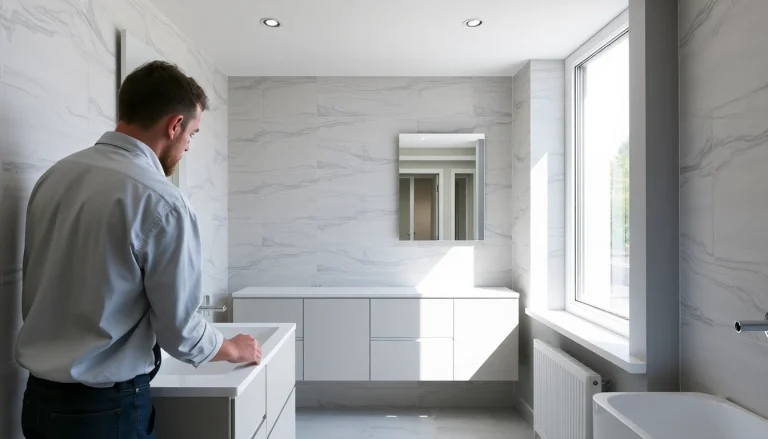
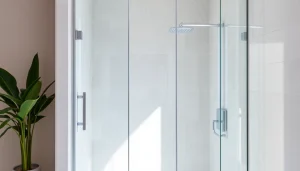
- Glass Panels: Used to demarcate the wet zone while maintaining visibility and openness.
- Non-Slip Floor Tiles: Essential for safety, particularly in a water-prone area.
- Integrated Lighting: Enhances the ambiance while providing functional illumination.
2. Planning Your Wet Room Shower Installation
2.1 Essential Considerations for Design
Planning a wet room shower requires thoughtful consideration of design elements to ensure functionality and aesthetics. First, proper waterproofing is vital; all surfaces must be treated with suitable membranes or materials to mitigate water damage. Secondly, the layout should allow efficient water flow, employing techniques like sloped flooring towards drains. Finally, accessibility features, such as grab bars and seating, can greatly enhance user experience.
2.2 Choosing the Right Location
The location of your wet room shower is crucial for both practicality and utility. Ideally, it should be positioned near existing plumbing to make installation easier and more cost-effective. Additionally, consider factors such as light exposure and privacy; a windowless hallway may not be suitable. A space with adequate ventilation is important for moisture control, usually near an external wall where a window can be installed.
2.3 Architectural Features that Complement Wet Rooms
Certain architectural features can complement your wet room shower beautifully. High ceilings and skylights can enhance natural light and perception of space, making the area feel larger and more inviting. Additionally, open shelving or built-in storage solutions can provide practical storage while keeping the design cohesive. Structural considerations, like supporting walls, should not be overlooked during planning to maintain the integrity of your wet room shower.
3. Selecting Materials for Your Wet Room Shower
3.1 Best Tiles for Durability and Aesthetics
Selecting the right tiles for your wet room shower cannot be understated. Porcelain or ceramic tiles are popular choices due to their water resistance and durability. Additionally, opting for textured finishes can provide better grip and enhance safety. Color and pattern influence the overall aesthetic; lighter shades and larger tiles can create an illusion of space, while darker tones can add depth and drama.
3.2 Waterproofing Techniques for Longevity
Achieving a long-lasting wet room shower hinges on effective waterproofing techniques. The installation of a waterproof membrane, such as liquid or sheet membranes, is essential to prevent leakages. Ensuring proper sealing around fixtures and tiles and a high-quality drainage system significantly decreases the chances of water damage. Regular maintenance and checks can prolong the life of your waterproofing efforts.
3.3 Hardware and Fixtures for Modern Wet Rooms
Your choice of hardware and fixtures can significantly amplify the functionality of a wet room shower. Consider using sleek, modern showerheads with adjustable settings for a customized experience. Lever handles and thermostatic controls offer ease of use, especially for individuals with mobility impairments. Investing in high-quality fixtures not only ensures durability but also elevates the visual appeal of the wet room.
4. Maintenance and Care for Wet Room Showers
4.1 Routine Cleaning Tips for Glass and Tiles
Maintaining your wet room shower’s cleanliness is essential for both hygiene and aesthetics. Regularly cleaning tiles and glass doors with a mild cleanser can prevent soap scum and hard water stains. Squeegeeing glass surfaces after each use can greatly reduce buildup, making your cleaning tasks easier. For deeper cleans, consider using a vinegar solution to tackle tough spots without damaging surfaces.
4.2 Preventing Mold and Mildew in Wet Rooms
Mold and mildew thrive in damp environments, making it crucial to implement preventative measures in your wet room shower. Adequate ventilation through windows, exhaust fans, or dehumidifiers helps control moisture levels. Regular cleaning schedules should include checking caulking and seals to ensure they remain intact and mold-free. Employing anti-fungal cleaning products can also aid in keeping surfaces clean.
4.3 Quick Fixes for Common Issues
Even with the best planning, issues may arise in your wet room shower. Common problems include slow drainage, which can often be fixed by clearing clogs or hair buildup. For leaks, applying waterproof sealant to fixtures can often suffice before professional intervention becomes necessary. Regular maintenance will save you time and potential costly repairs in the long run.
5. Frequently Asked Questions About Wet Room Showers
5.1 Are wet room showers suitable for small spaces?
Yes, wet room showers can make small spaces feel larger due to their open design.
5.2 How do I ensure my wet room is properly waterproofed?
Use high-quality waterproof membranes and consult professionals for installation to guarantee durability.
5.3 What type of drainage system is best for wet room showers?
Linear drains are often recommended for their efficiency and seamless integration into the floor.
5.4 Can I install a wet room shower without professional help?
While DIY is possible, professional installation ensures that waterproofing and plumbing are correctly handled.
5.5 What design styles work well with wet room showers?
Modern, minimalist designs complement wet room showers beautifully, focusing on clean lines and open space.
For those considering transforming their bathroom with a wet room shower, understanding the nuances of design, materials, and maintenance can preemptively address concerns and elevate the installation experience.