






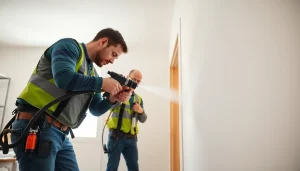
Understanding Spray Foam Removal Surrey
Spray foam insulation has become a popular choice for homeowners seeking energy efficiency and environmental comfort. However, as time passes, this type of insulation can encounter issues that lead to the need for removal. Understanding spray foam removal Surrey is crucial for maintaining a safe and healthy living environment. This guide delves into various aspects of spray foam insulation, its issues, and the best practices to follow for a safe and effective removal process.
What Is Spray Foam Insulation?
Spray foam insulation is a versatile material used for sealing gaps and insulating buildings. Made from polyurethane, it expands upon application, filling voids and creating a seal that helps regulate indoor temperatures. Its superior R-value makes it an attractive choice for energy efficiency, reducing heating and cooling costs. However, the properties that make spray foam advantageous can also lead to potential issues, especially if the foam deteriorates over time.
Common Issues with Spray Foam
While spray foam insulation offers multiple benefits, common issues include:
- Deterioration: Exposure to moisture, UV light, and other factors can break down the foam, compromising its integrity.
- Mold Growth: Trapped moisture can lead to mold growth, posing health risks to occupants.
- Odor Problems: As foam breaks down, it may emit unpleasant odors that can linger in your home.
Benefits of Professional Removal
When faced with the need to remove spray foam, professional assistance is often the best choice. Advantages include:
- Expert Knowledge: Professionals understand the intricacies of insulation systems and can identify the best removal techniques.
- Safety: Experienced technicians use proper safety protocols to avoid health hazards associated with the removal process.
- Efficient Process: Professionals have the tools and expertise to complete the job more quickly and effectively than a DIY approach.
Identifying the Need for Removal
Knowing when to remove spray foam insulation is vital for ensuring your home’s safety and efficiency. Recognizing the signs early can save you time, money, and potential health risks.
Signs of Deteriorating Foam
Homeowners should be keenly aware of several indicators that suggest the foam is no longer effective:
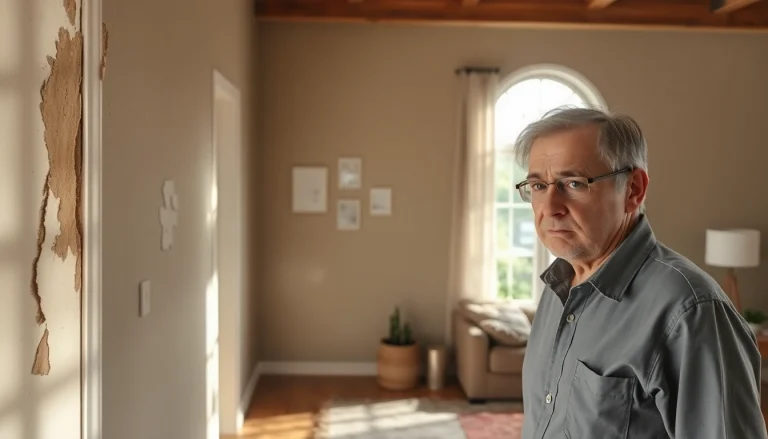
- Visible Damage: Cracking, crumbling, or yellowing foam can indicate deterioration.
- Unpleasant Odors: A strong chemical smell may indicate that the foam is off-gassing or degrading.
- Increased Energy Bills: A sudden rise in energy costs can suggest that insulation is failing to perform effectively.
Health Risks Associated with Foam Insulation
Improperly maintained spray foam can pose health risks. Symptoms may include headaches, respiratory problems, and allergic reactions, particularly if mold grows in the insulation. If you suspect health issues stemming from spray foam, seek an evaluation by a professional and consider removal options.
Evaluating Structural Integrity
Inspecting the building’s structural integrity is essential before removing spray foam. Look for signs of water damage or pest infestation, which can undermine structural stability and necessitate more extensive repairs beyond just insulation removal.
Methods of Spray Foam Removal Surrey
Once you’ve determined it’s time to remove spray foam, understanding the methods available is key to ensuring a successful and safe process.
Mechanical Removal Techniques
Mechanical removal methods involve physical tools and techniques to scrape away the foam. This could include the use of:
- Scrapers and Knives: Manual tools that require skill and precision to avoid damaging underlying surfaces.
- Power Tools: Saws or grinders can be effective but should be used by trained professionals to minimize risk of injury and damage.
Chemical Solutions for Effective Removal
Chemical removers can dissolve spray foam, making it easier to remove. These products often achieve quicker results but should be handled with care due to potential health risks associated with their use. Ensure that all chemicals used are appropriate for the foam type and follow the manufacturer’s instructions closely.
Safety Measures and Protective Gear
Safety should be a top priority during spray foam removal. Precautions include:
- Personal Protective Equipment (PPE): Use gloves, masks, and goggles to protect against skin contact and inhalation of harmful particles.
- Ventilation: Ensure that the workspace is well-ventilated to mitigate exposure to fumes.
- Follow Protocols: Adhere to safety guidelines for both mechanical and chemical removal processes.
Post-Removal Processes
After successfully removing spray foam, several key steps must be taken to prepare the area for future insulation or repairs.
Cleaning and Preparing the Area
The removal site must be thoroughly cleaned to eliminate any debris and residue left behind. This involves:
- Dust and vacuum the area.
- Dispose of removed materials according to local regulations.
- Inspect for and address any damage to the underlying structure.
Assessing Damage and Repair Solutions
Once the area is cleaned, assess any structural damage. You may need to repair walls, ceilings, or other components affected by moisture or mold. A professional contractor can provide recommendations on the best solutions for your specific case.
Alternative Insulation Options
After the old foam is removed, consider the best insulation options for your needs. Alternatives such as fiberglass, cellulose, or newer spray foam formulations may offer the performance and benefits your home requires while addressing previous issues encountered. Consulting an insulation expert can help determine the best path forward for your comfort and safety.
FAQs about Spray Foam Removal Surrey
How long does the removal process take?
The time taken depends on the size and complexity of the area, typically ranging from a few hours to a full day.
Is spray foam removal safe?
Yes, when done by professionals, safety precautions are taken to prevent health hazards and structural damage.
Can I remove spray foam insulation myself?
While possible, it is not recommended due to potential health risks and technical challenges involved.
What should I expect after removal?
Post-removal, the area may require repairs and cleaning, which can ensure your home is safe and insulated properly.
Are there eco-friendly removal options?
Yes, some professionals use gentler chemicals and techniques that minimize environmental impact during removal.