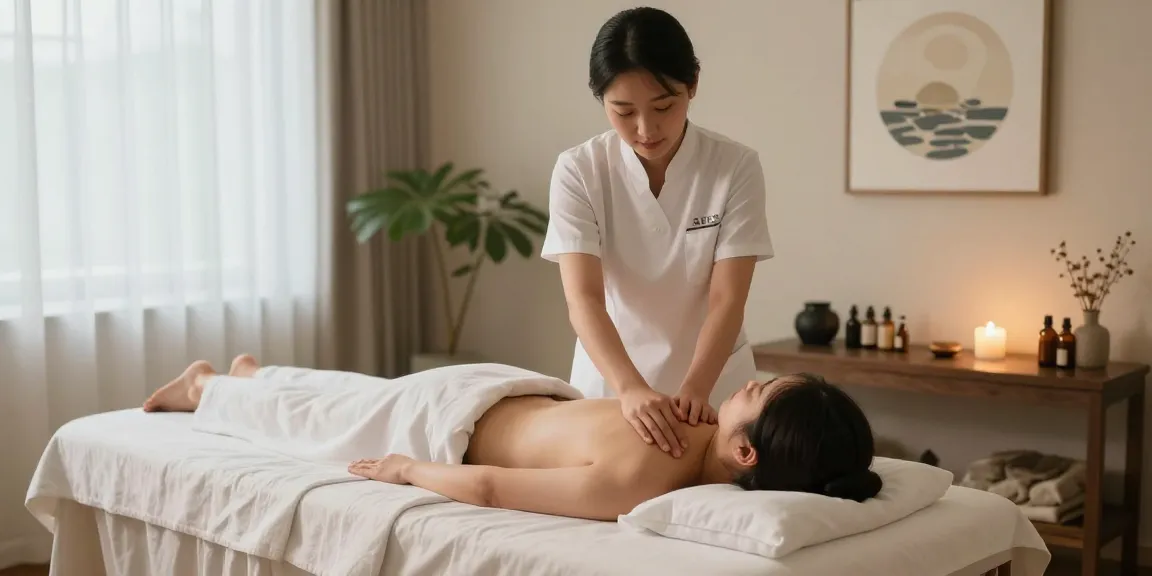
Understanding Spa Ads: The Basics
In the competitive world of wellness and relaxation, Spa Ads play a crucial role in attracting and retaining clients. These advertisements serve as a bridge between the spa's offerings and potential customers, creating an opportunity for connection and engagement. Understanding the intricacies of spa advertising is essential for any business owner looking to thrive in this lucrative market. When exploring options, Spa Ads can provide comprehensive insights into effective strategies and trends.
What are Spa Ads and Why They Matter
Spa Ads are promotional content designed to showcase spa services, products, and experiences to consumers. They can take various forms, including print ads, social media posts, email newsletters, and more. The primary purpose of these advertisements is to inform potential customers about the services offered and inspire them to visit the spa. With wellness becoming increasingly important to consumers, effective spa advertising can significantly impact a spa's success.
The Importance of Target Audience in Spa Advertising
Identifying and understanding the target audience is pivotal in crafting impactful Spa Ads. Different demographics may prefer various services, ambiance, or promotional offers. For instance, younger clients may be drawn to trendy treatments and social media promotions, while older clients might seek relaxation and therapeutic services. A thorough analysis of the target demographic allows spa owners to tailor their messages and marketing channels effectively.
Common Misconceptions About Spa Advertising
One common misconception is that Spa Ads are all about luxurious imagery and high prices. While visual appeal is essential, the messaging should not solely focus on exclusivity. In reality, many clients seek affordability and value for their money. Additionally, there is a belief that digital marketing has completely overshadowed traditional advertising methods. However, integrating various marketing strategies, including local print ads, can still be highly effective in reaching potential clients.
Creative Approaches to Spa Advertising
Innovative Spa Ads Examples for 2025
As we look toward 2025, spa advertising continues to evolve, embracing creativity and innovation. Here are some emerging examples:
- Interactive Social Media Campaigns: Creating engaging content that lets users participate can boost visibility. This includes challenges, polls, or even virtual tours of the spa.
- Collaborative Promotions: Partnering with local businesses for joint promotions can widen the audience reach. For example, a spa could collaborate with a fitness center to offer bundled wellness packages.
- Video Storytelling: Instead of traditional ads, spas can use videos that tell a customer’s story, showcasing genuine experiences and emotional connections with services.
Utilizing Social Media for Spa Promotions
Social media platforms are indispensable for modern Spa Ads. Utilizing visually-driven platforms like Instagram and Pinterest can help highlight services effectively. Here are some proven strategies:
- High-Quality Visuals: Invest in professional photography that captures the essence of your spa environment and services.
- User-Generated Content: Encourage clients to share their experiences on social media. A simple hashtag can create a community of your spa's advocates.
- Influencer Collaborations: Partnering with local influencers can enhance credibility and reach, driving new clients through personal recommendations.
Engaging Content Ideas for Spa Ads
Engagement is the key to effective Spa Ads. Creative content ideas can include:
- Blog Posts: Create informative posts about the benefits of different treatments or wellness tips.
- Monthly Newsletters: Keep clients updated on new services, staff highlights, or special promotions, fostering loyalty.
- Behind-the-Scenes Content: Share glimpses of daily spa life, staff training, or product testing to humanize your brand.
Measuring the Success of Spa Ads
Key Performance Indicators for Spa Advertising
Understanding how to measure the effectiveness of Spa Ads is vital for continuous improvement. Key Performance Indicators (KPIs) can include:
- Engagement Rates: Likes, shares, and comments on social media posts.
- Lead Generation: Tracking the number of inquiries or bookings generated from specific ad campaigns.
- Conversion Rate: The percentage of clients who book a service after clicking on an ad.
Analyzing the ROI of Spa Ad Campaigns
The Return on Investment (ROI) of spa advertising can be analyzed by comparing the cost of advertising to the revenue generated from new clients. Effective tracking methods include:
- Promo Codes: Use unique codes in ads to track which campaigns drive bookings.
- Google Analytics: Analyze website traffic and referrals from ad campaigns to understand customer behavior.
- Client Feedback: Directly asking clients how they heard about your services can provide valuable insights into effective advertising channels.
Common Pitfalls in Measuring Spa Ads Success
While some metrics are directly measurable, others may be more abstract. Common pitfalls to avoid include:
- Focusing Solely on Immediate Bookings: Consider long-term engagement and customer retention, not just short-term gains.
- Ignoring Audience Feedback: Customer reviews and feedback can give insights that numbers alone cannot.
- Not Adjusting Strategies: Continually analyze and adapt your campaigns based on data to stay relevant and effective.
Legal Considerations in Spa Advertising
Advertising Regulations for Spa Services
Spas must navigate complex advertising regulations to avoid legal issues. Key considerations include:
- Truthfulness: All claims made in advertisements must be substantiated and truthful, avoiding misleading language.
- Licensing: Ensure all services advertised comply with local and state licensing requirements and accurately represent professional qualifications.
- Privacy: Respect client confidentiality, particularly in any testimonials or case studies used in marketing.
Crafting Truthful and Compliant Spa Ads
Creating compliant ads involves careful wording and transparency. Consider these tips:
- Clear Language: Use straightforward language that accurately describes services without making unrealistic promises.
- Detail Disclosure: Include important information regarding any necessary qualifications for treatments, such as medical supervision for certain procedures.
- Regular Updates: Keep all advertising material updated to reflect changes in services, pricing, or regulations.
Consulting Legal Experts on Spa Promotions
Engaging with legal professionals can help ensure compliance with advertising laws. They can provide:
- Guidance on Regulations: Clarifying what can and cannot be advertised.
- Help in Developing Policies: Establishing policies that guide marketing practices in adherence to the law.
- Risk Assessment: Evaluating existing marketing strategies to identify any potential legal risks.
Future Trends in Spa Advertising
Emerging Technologies Impacting Spa Ads in 2025
The future of Spa Ads will witness significant technological influences:
- AI Personalization: Using artificial intelligence to create personalized ad experiences based on client preferences and behaviors.
- Augmented Reality: Implementing AR to allow potential clients to visualize treatments or spa experiences in real-time.
- Data Analytics: Advanced analytics tools will facilitate more precise targeting and performance measurement.
Consumer Behavior Shifts and Spa Marketing
As consumer priorities evolve, spa marketing strategies must adapt. Trends to watch include:
- Emphasis on Wellness: More clients are seeking holistic wellness solutions, prompting spas to expand their offerings.
- Experience over Service: Clients are valuing unique experiences rather than merely service transactions.
- Sustainable Practices: Eco-conscious consumers prefer businesses that practice sustainability in their operations.
Preparing for Future Changes in Spa Advertising
As the landscape of spa advertising changes, staying ahead of the curve is essential. Strategies for preparation include:
- Continuous Learning: Stay informed about industry trends and new marketing technologies.
- Flexibility: Be willing to adjust advertising strategies based on emerging consumer preferences.
- Client Engagement: Foster strong relationships with clients through consistent communication and feedback mechanisms.