

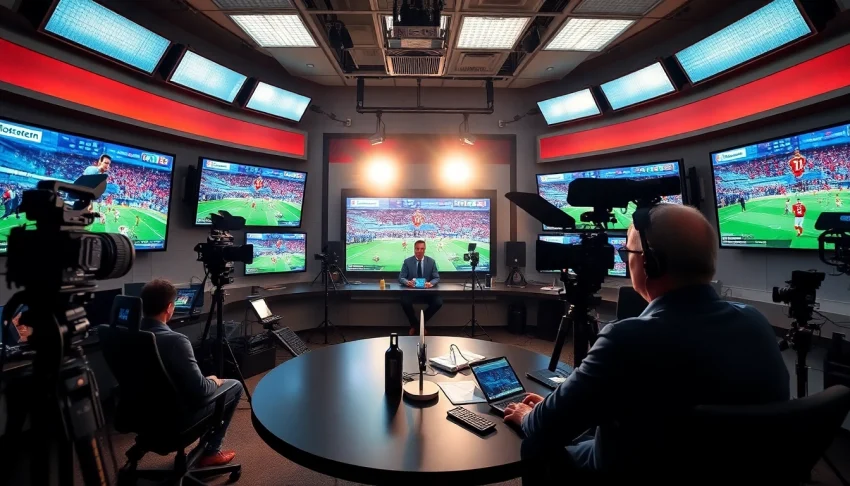
Introduction to Sports Broadcasting
Sports broadcasting has become an integral part of our media landscape, providing fans with unprecedented access to live events, commentary, and behind-the-scenes content. With the rise of technology, the ways in which audiences consume sports have evolved dramatically, allowing for a more engaging and immersive experience. In this article, we will explore the various facets of Sports Broadcasting, including its basics, significance, and emerging trends that are reshaping the industry.
Understanding Sports Broadcasting Basics
At its core, sports broadcasting refers to the live transmission of sporting events through various mediums, including television, radio, and online platforms. It aims to deliver real-time updates and engage viewers in the excitement of the moment. Broadcasters utilize a mix of storytelling, analysis, and commentary to enhance the viewing experience, making it more than just a simple transmission of events.
Importance of Sports Broadcasting in Today’s Media
Sports broadcasting plays a crucial role in today’s media environment for various reasons. First, it acts as a bridge connecting fans to their favorite sports and athletes, fostering a sense of community. Second, it is a significant source of revenue for networks, advertisers, and sports organizations. Lastly, sports broadcasting drives engagement, as live sports events attract millions of viewers, offering a unique platform for marketers to connect with a passionate audience.
Key Components of Sports Broadcasting
The effectiveness of sports broadcasting hinges on several key components. These include:
- Production Quality: High-definition video, professional audio, and well-planned camera angles enhance the viewer experience.
- Commentary: Skilled commentators provide insight and context, enriching the audience’s understanding of the game.
- Analysis: Pre- and post-game analysis helps viewers comprehend tactics and strategies, engaging them on a deeper level.
- Interactive Elements: Incorporating viewer interaction through social media or live polling keeps audiences actively involved.
Types of Sports Broadcasting
Traditional vs. Digital Sports Broadcasting
Sports broadcasting can be classified into traditional and digital formats. Traditional sports broadcasting has primarily relied on television and radio, with established networks holding rights to major sporting events. While this approach has served audiences well, it faces challenges from the rise of digital platforms.
Digital sports broadcasting encompasses streaming services, social media, and mobile apps. This modern approach allows fans to watch games anytime, anywhere, and on various devices. It has also enabled niche sports to gain visibility, as smaller leagues can now reach global audiences without the barriers of traditional broadcasting.
Live Sports Broadcasting: Techniques and Innovations
Live sports broadcasting has seen significant innovations, driven by advances in technology. Techniques such as multi-angle viewing, instant replays, and augmented reality graphics enhance viewer engagement. The introduction of drones for aerial shots provides dynamic perspectives of outdoor sports, while high-speed cameras capture moments in greater detail, allowing fans to relive pivotal plays.
Moreover, live statistics and data visualizations enable broadcasters to provide viewers with immediate insights, enriching their understanding of game dynamics. These innovations ensure that viewers feel like they are part of the action, significantly enhancing their viewing experience.
How Podcasts Revolutionize Sports Broadcasting
Podcasts have revolutionized sports broadcasting by offering fans a new medium for content consumption. With their on-demand nature, podcasts allow listeners to engage with sports content at their convenience. Topics cover everything from in-depth analyses of games, interviews with players and coaches, to discussions of sports culture and history.
The conversational format of podcasts fosters a more personal connection between hosts and listeners, while also allowing for interactive audience participation through feedback and questions. As a result, sports podcasts are rapidly becoming a staple in the media landscape, appealing to diverse audience segments.
Best Practices for Sports Broadcasting Creators
Engaging Your Audience: Content Strategies
To successfully engage audiences in sports broadcasting, creators must adopt effective content strategies. Here are some best practices:
- Understand Your Audience: Analyze demographics and preferences to create targeted content that resonates.
- Incorporate Storytelling: Build narratives around athletes, teams, and events to create emotional connections with the audience.
- Utilize Social Media: Promote content and interact with fans on platforms they frequent to drive engagement.
Technical Setup for High-Quality Broadcasts
Achieving high-quality broadcasts requires careful attention to technical setup. Key components include:
- Camera Equipment: Invest in quality cameras that can capture high-definition footage from multiple angles.
- Audio Systems: Use professional microphones and sound systems to ensure clear commentary without background noise.
- Streaming Software: Employ reliable software that provides features like real-time editing, graphics integration, and multi-platform streaming.
Legal Aspects and Rights Management in Sports Broadcasting
Legal considerations are critical in sports broadcasting, particularly concerning rights management. Broadcasters must secure rights to air events and ensure compliance with copyright laws. This includes negotiating agreements with leagues and players’ associations to avoid legal disputes.
Moreover, understanding international broadcasting rights can be complex; therefore, staying informed on regulations is essential for operations in different regions. Compliance with advertising regulations is also vital to maintain credibility and avoid penalties.
Future Trends in Sports Broadcasting
The Role of AI and VR in Sports Broadcasting
The integration of artificial intelligence (AI) and virtual reality (VR) into sports broadcasting promises to transform the industry. AI can analyze vast amounts of data to enhance commentary and fan engagement, providing customized content based on user preferences. For example, AI-generated highlights can deliver personalized summaries of games tailored to individual viewers.
VR technology allows fans to experience games as if they were present in the stadium. Virtual reality can recreate live events, offering fans 360-degree views and interactive experiences, making it a game-changer for sports broadcasting.
Audience Interaction and Engagement Trends
Future trends in audience interaction involve greater engagement through platforms that combine social media and live broadcasts. Features such as live chat, polls, and real-time question-and-answer sessions enhance viewer involvement. This interactive approach not only retains audience interest but also builds a community around events, leading to higher loyalty and viewership.
Additionally, gamification elements, such as fantasy sports and prediction games, are trending as they encourage viewers to partake actively in the sporting experience. This trend is expected to expand, providing more personalized and engaging ways for fans to interact with content.
Predictions for the Next Decade in Sports Broadcasting
Looking ahead, the sports broadcasting landscape will continue to evolve rapidly. We anticipate an increase in hybrid models that blend traditional and digital broadcasting, allowing audiences to choose how they consume content. Enhanced analytics and AI-driven insights will also play a significant role in shaping the narratives of games, providing deeper context during broadcasts.
Moreover, the adoption of blockchain technology may influence broadcasting rights, streamlining contracts and transactions within the industry. As technology continues to advance, innovations that enhance viewer experiences will remain at the forefront, ensuring sports broadcasting remains engaging and relevant.
FAQs on Sports Broadcasting
What is Sports Broadcasting?
Sports broadcasting refers to the live transmission of sports events through television, radio, or online platforms, offering access to fans worldwide.
How has technology impacted Sports Broadcasting?
Technology has improved sports broadcasting by enhancing production quality, enabling real-time analytics, and making content accessible across various devices.
What are the different platforms for Sports Broadcasting?
Sports broadcasting occurs on traditional TV, streaming services, radio, and podcasts, providing flexible viewing options for fans.
How do I start a career in Sports Broadcasting?
A career in sports broadcasting usually requires a degree in journalism or communications, along with experience gained through internships or volunteer roles.
What skills are essential for Sports Broadcasters?
Key skills for sports broadcasters include strong communication, adaptability, technical expertise, and a comprehensive understanding of sports.